Overview
What digital transformation is — and what it isn’t
Digital transformation is not a software purchase. A system installed without mapping the process only accelerates the existing mess; the team carries old habits onto new screens and within months the spreadsheets return. Transformation means first seeing how the work actually flows, then deciding which step is worth moving into software. In small and mid-sized companies this is rarely one large project — it is a sequence of steps that feed each other, and getting the order right matters more than picking the right product.
Who It Serves
Who is this for?
Symptoms matter more than size: if data is entered twice, if reporting means working late, or if someone says “only one person knows that,” it is time for an analysis.
Manufacturing companies
When the production plan lives in a spreadsheet, order tracking in a WhatsApp group and costing in yet another table, bringing all three onto one data model is the first win.
Retail and e-commerce
When stock falls out of sync between the store, your own site and marketplaces, the problem is usually not the software but the absence of a single source of truth for inventory.
Tourism and travel agencies
When reservations, suppliers and collections are kept in three separate places, the gap between sales and operations reproduces the same error every season.
Companies with dealer and distribution networks
When orders arrive by phone and message, error rates, price-list confusion and reconciliation workload compound as you grow.
Facility and residence management
When space usage, reservations, dues and fault reports sit in separate ledgers, response times to residents stretch and collections tracking weakens.
Companies replacing existing software
If you have a system that works but no longer carries growth, the module actually causing trouble must be isolated before anything is replaced.
Scope
Our digital transformation solutions
CRM and ERP
Browser-based business applications that bring customers, quotes, stock, orders and finance onto one data model.
Web-Based Software DevelopmentB2B and Dealer Portal
A sales portal where dealers order against live stock and their own price list, and can see their account balance.
B2B Dealer Management SystemE-Commerce and Retail
Infrastructure that unifies store and online channels on one stock pool and carries marketplace and shipping integrations.
Custom E-Commerce & Retail SoftwareField and Mobile Operations
Mobile apps that let field sales, dispatch and service teams push data back to the centre in real time.
Enterprise Mobile App DevelopmentIn Detail
Digital analysis: where to begin
Digital analysis measures the business as it stands today and sets the order of investment. It runs in four steps, each with its own deliverable — and none of them starts with a software recommendation.
We start by writing down which task runs on which tool. Which information sits in a spreadsheet, which in one person’s notebook, which only inside an email thread. We do this by sitting at the screen with the person who does the work rather than handing out a questionnaire, reviewing the real files and sample documents in use. This inventory usually reveals a picture nobody expects: the same data held in three places, in three different states, with no definition of which one is correct. The resulting map is valuable on its own, because in most companies nobody has ever seen their own tool inventory before.
- A list of every tool, spreadsheet and ledger in use
- The owner and the backup for each process
- Points where data is entered twice
- Knowledge and processes held by a single person
Process
The enterprise digitalisation roadmap
References
Work that started with analysis
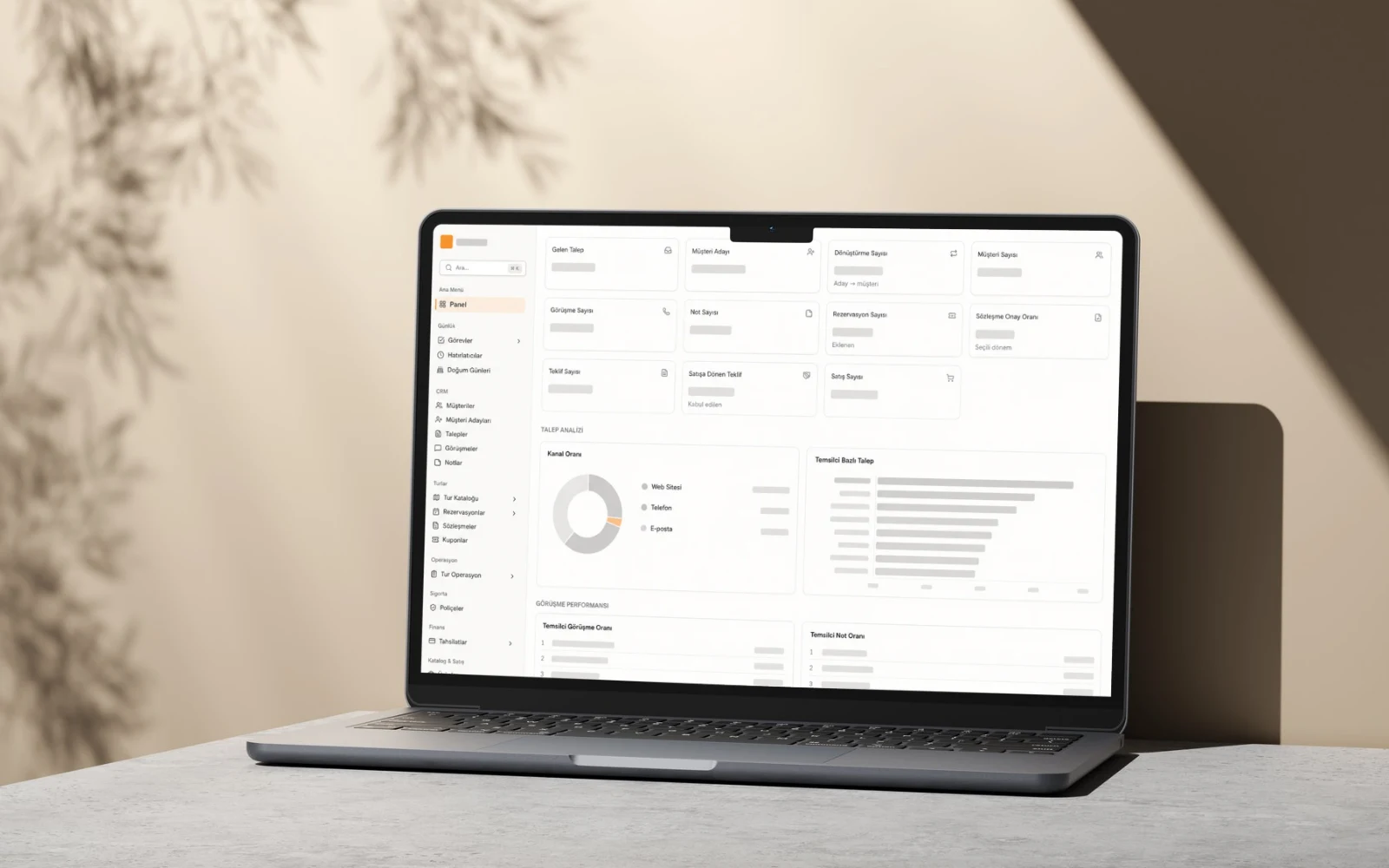
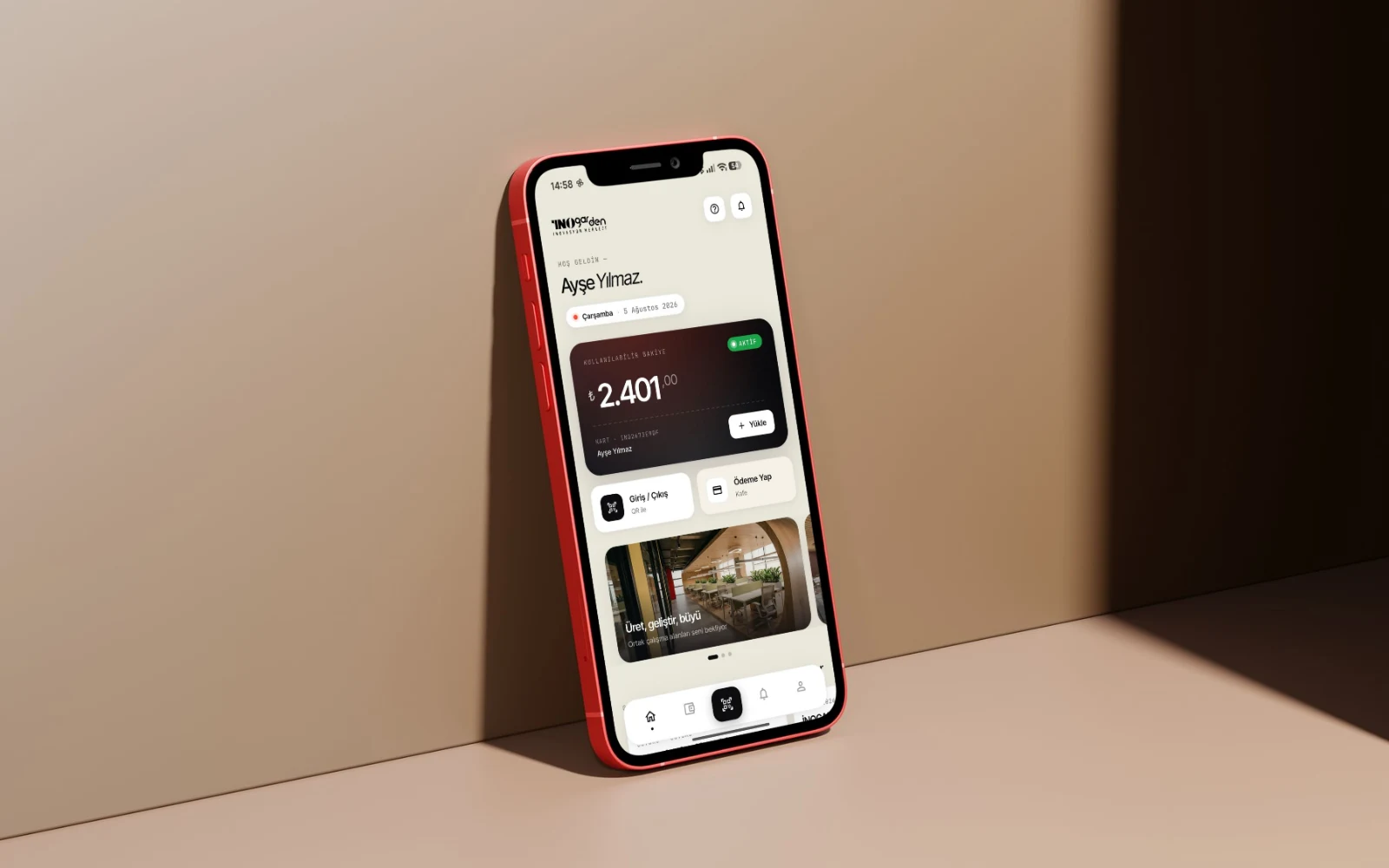
Both projects began not with a software choice but with studying the process on site.
FAQ
Frequently Asked Questions
Let’s measure first, then decide
In one session we listen to your current workflow and establish together what a digital analysis would clarify in your case. The session is not a sales pitch.